

Over 80 percent of British consumers say a memorable brand experience increases their loyalty. In a world where passive advertising barely cuts through the clutter, British brands are seeking meaningful ways to connect with audiences. Understanding the core concepts of brand activation events opens the door to deeper consumer engagement, powerful storytelling, and marketing strategies that actually resonate.
Table of Contents
- Defining Brand Activation Events And Core Concepts
- Major Types Of Brand Activation Campaigns
- Essential Elements Of Successful Brand Activations
- Audience Engagement Techniques And Outcomes
- Risks, Challenges, And Skills For Event Success
Key Takeaways
| Point | Details |
|---|---|
| Brand Activation Events Enhance Consumer Engagement | These events create immersive experiences, forging emotional connections that transform consumers into active participants. |
| Diverse Campaign Strategies Are Essential | Effective brand activations utilise various approaches like digital platforms, experiential marketing, and promotional strategies to reach target audiences. |
| Personalisation and Authenticity Drive Success | Tailoring experiences and maintaining authentic brand storytelling are crucial for creating meaningful consumer interactions. |
| Risk Management Is Key for Effectiveness | Successful event management requires understanding communication complexities, operational uncertainties, and performance metrics to navigate potential challenges. |
Defining Brand Activation Events and Core Concepts
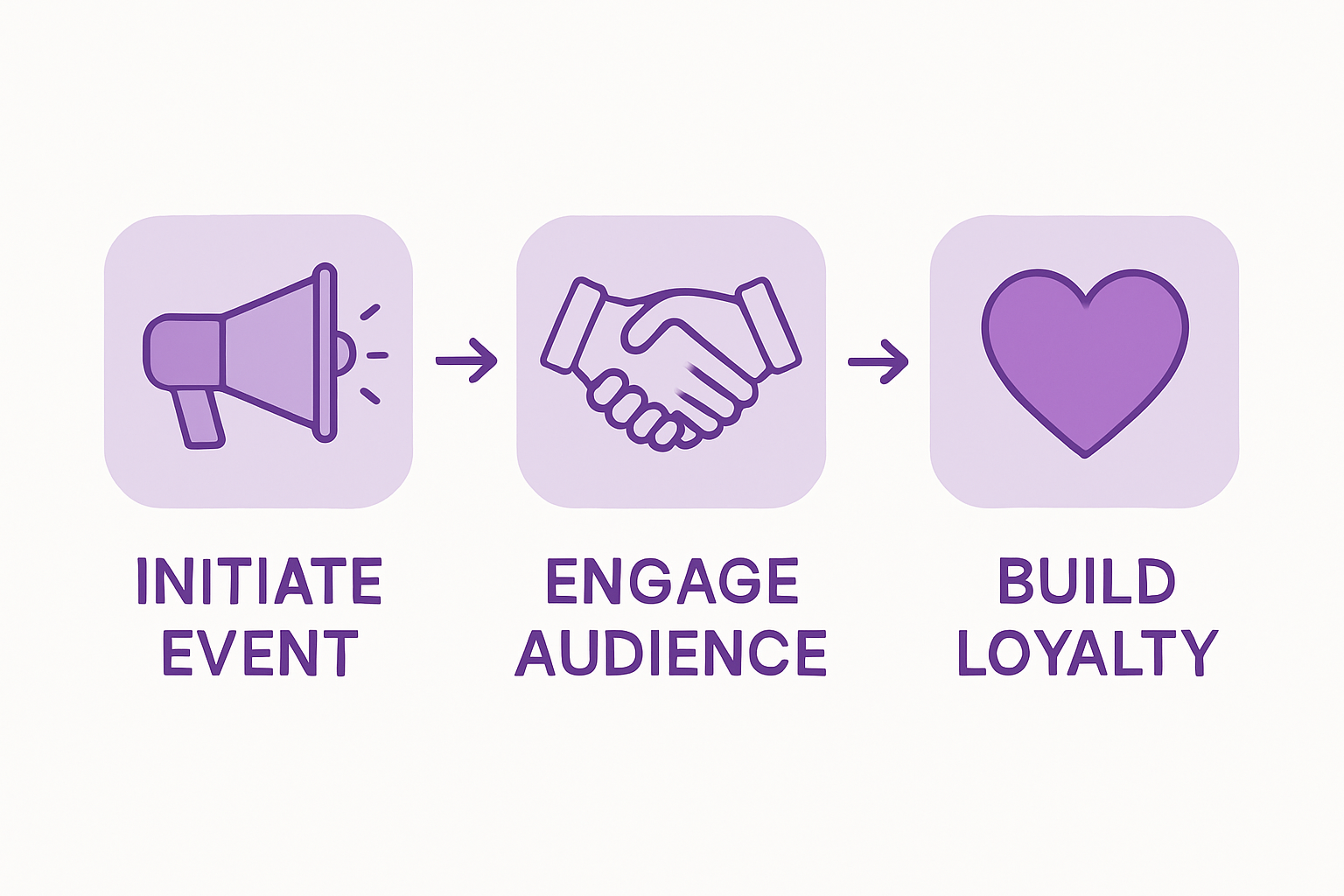
Brand activation events represent strategic marketing initiatives designed to forge meaningful connections between brands and their target audiences through immersive, interactive experiences. These strategic communication tools transform traditional advertising approaches by prioritising direct consumer engagement and emotional resonance.
At their core, brand activation events are sophisticated experiential marketing strategies that go beyond passive communication. They aim to transform consumer perceptions by creating memorable, participatory interactions that showcase a brand’s personality, values, and unique proposition. Unlike conventional advertising methods that broadcast messages, brand activation seeks to invite consumers into a dynamic narrative where they become active participants rather than passive recipients.
The fundamental principles of brand activation centre on several key objectives:
- Creating genuine emotional connections
- Generating tangible consumer experiences
- Developing memorable brand interactions
- Encouraging direct engagement and feedback
Behavioural branding research suggests that these events are particularly powerful because they tap into consumers’ psychological and emotional triggers. By designing experiences that resonate on a personal level, brands can cultivate deeper loyalty and transform transactional relationships into meaningful connections. Whether through product demonstrations, interactive workshops, or immersive brand storytelling, activation events provide a platform for brands to showcase their authentic identity and values in a dynamic, compelling manner.
Major Types of Brand Activation Campaigns
Brand activation campaigns represent diverse strategic approaches designed to create meaningful consumer interactions across multiple platforms. Direct marketing and promotional activations offer organisations multiple channels to engage audiences through targeted, interactive experiences that extend beyond traditional advertising methods.
The landscape of brand activation encompasses several critical campaign types, each with unique engagement strategies:
- Digital and Social Media Activations
- Leveraging online platforms for interactive campaigns
- Creating shareable, viral content experiences
- Utilising user-generated content strategies
- Experiential Marketing Events
- Live product demonstrations
- Pop-up brand experiences
- Interactive installations and immersive environments
- Promotional Activations
- Special discount campaigns
- Limited-time product offerings
- Sampling and trial experiences
Immersive technological experiences have transformed brand activation strategies, introducing innovative approaches like virtual reality demonstrations and augmented reality interactions. Brands such as Nike and IKEA have pioneered these techniques, creating memorable consumer touchpoints that transcend traditional marketing boundaries. By integrating cutting-edge technology with storytelling, modern brand activation campaigns can generate deeper emotional connections and more personalised consumer engagement.
Essential Elements of Successful Brand Activations
Brand activation strategies require a sophisticated blend of creativity, strategic planning, and consumer psychology to deliver impactful experiences. Successful campaigns consistently demonstrate that meaningful engagement goes far beyond simple promotional tactics.
The core elements of effective brand activations encompass several critical dimensions:
-
Authentic Brand Storytelling
-
Communicating genuine brand values
-
Creating emotionally resonant narratives
-
Developing consistent messaging across platforms
-
Interactive Experience Design
-
Creating immersive, participatory moments
-
Enabling direct consumer interactions
-
Personalising engagement approaches
-
Strategic Audience Targeting
-
Understanding demographic preferences
-
Tailoring experiences to specific consumer segments
-
Measuring and adapting engagement metrics
Innovative content integration techniques have revolutionised brand activation approaches, demonstrating that engagement is most effective when sensory and emotional triggers are strategically activated. Modern brands increasingly recognise that successful activations are not about broadcasting messages, but creating meaningful, memorable interactions that forge genuine connections. By combining technological innovation, creative storytelling, and deep audience insights, organisations can transform traditional marketing approaches into powerful, immersive brand experiences that resonate on multiple levels.

Audience Engagement Techniques and Outcomes
Brand activation engagement represents a sophisticated approach to transforming passive audiences into active participants through innovative, interactive strategies. Gamified interactive experiences have emerged as powerful mechanisms for capturing consumer attention and generating meaningful brand connections.
Key audience engagement techniques include:
- Interactive Technology Integration
- Augmented reality demonstrations
- Immersive digital experiences
- Real-time audience participation platforms
- Personalised Communication Strategies
- Targeted messaging
- Segmented audience approaches
- Customised interaction pathways
- Emotional Connection Frameworks
- Storytelling-driven experiences
- Values-based engagement
- Authentic brand narrative development
Viral marketing dynamics reveal that successful engagement transcends traditional communication models, emphasising peer-to-peer recommendation and emotionally resonant experiences. Modern brands are recognising that audience engagement is not about broadcasting messages, but creating participatory ecosystems where consumers become active brand ambassadors. By developing strategies that prioritise genuine interaction, personalisation, and meaningful experiences, organisations can transform passive audiences into passionate, committed brand communities.
Risks, Challenges, and Skills for Event Success
Brand activation events demand sophisticated risk management and strategic skill development to navigate complex professional landscapes. Strategic brand communication challenges require event managers to develop nuanced approaches that balance organisational objectives with audience expectations.
Key risks and challenges in brand activation events include:
- Communication Complexity
- Maintaining brand authenticity
- Preventing messaging misalignment
- Managing audience perception
- Operational Uncertainties
- Technological integration risks
- Resource allocation challenges
- Unexpected logistical disruptions
- Performance Management
- Measuring engagement metrics
- Tracking return on investment
- Adapting strategies in real-time
Brand placement effectiveness requires professionals to develop critical skills such as adaptive communication, technological proficiency, and strategic thinking. Successful event managers must cultivate a holistic skill set that combines creative problem-solving, emotional intelligence, and data-driven decision-making. By understanding potential risks and developing robust mitigation strategies, event professionals can transform challenges into opportunities for innovative brand experiences.
Elevate Your Career in Brand Activation Events Today
Brand activation events demand more than creativity; they require deep strategic insight and practical skills to master the complexities of audience engagement, emotional connection, and operational challenges. If you are passionate about transforming passive audiences into active brand ambassadors through authentic storytelling and immersive experiences then gaining specialised training is essential. At team.i.org, our comprehensive event management courses with hands-on projects and internships equip you with industry-relevant expertise to excel in this dynamic field.
Discover how to navigate risks, design impactful brand activation strategies, and leverage cutting-edge technology by enrolling in our certified programmes. With over 23 years of experience and collaborations with industry leaders such as DNA Entertainment Networks, we provide unmatched support to launch or advance your career. Take the first step towards mastering brand activation events by visiting team.i.org now to explore our course offerings and start your journey to creating unforgettable brand experiences.
Frequently Asked Questions
What are brand activation events?
Brand activation events are strategic marketing initiatives that aim to create meaningful connections between brands and their target audiences through immersive and interactive experiences.
How do brand activation campaigns differ from traditional advertising?
Unlike traditional advertising, which often broadcasts messages to consumers, brand activation campaigns focus on direct consumer engagement and emotional resonance, inviting consumers to actively participate in the brand narrative.
What are some key elements of successful brand activations?
Successful brand activations incorporate authentic brand storytelling, interactive experience design, and strategic audience targeting to create impactful and memorable consumer experiences.
What techniques can brands use to enhance audience engagement at activation events?
Brands can enhance audience engagement through interactive technology integration, personalised communication strategies, and frameworks that foster emotional connections, such as storytelling-driven experiences.