
More than 80 percent of organizations cite workforce development as a top priority, yet many struggle to deliver training that truly makes a difference. Corporate training shapes how companies adapt, compete, and thrive by building practical skills that go far beyond classroom learning. As the workplace keeps changing, understanding what defines effective corporate training can make all the difference between stagnant growth and lasting success.
Table of Contents
- Defining Corporate Training and Its Purpose
- Types of Corporate Training Programs
- Key Components and Delivery Methods
- Benefits for Organizations and Individuals
- Challenges, Costs, and Common Pitfalls
Key Takeaways
| Point | Details |
|---|---|
| Strategic Importance | Corporate training is essential for enhancing employee performance and driving organizational growth through targeted skill development. |
| Diverse Program Types | Various training formats exist, including technical skills, soft skills, compliance, and professional development, each catering to specific learning needs. |
| Innovative Delivery Methods | Integrating multiple delivery methods like digital platforms and experiential learning enhances knowledge retention and accommodates diverse learning styles. |
| Mutual Benefits | Effective corporate training fosters a win-win scenario where both organizations and individuals experience improved performance and career advancement. |
Defining Corporate Training and Its Purpose
Corporate training represents a strategic approach to organizational learning and development, designed to enhance employee performance and drive business growth. According to research from theses.gla.ac.uk, corporate training is a systematic method for modifying individuals’ knowledge, skills, and attitudes to improve overall organizational effectiveness.
At its core, corporate training goes beyond traditional education by focusing on practical skill development directly aligned with workplace requirements. Arxiv highlights that these programs are uniquely designed to equip employees with essential competencies needed to perform tasks competently and safely. Unlike academic learning, corporate training can be seamlessly integrated into daily work processes, making it a dynamic and responsive approach to professional development.
Key objectives of corporate training include:
- Enhancing individual employee capabilities
- Improving team performance and collaboration
- Addressing specific skill gaps within the organization
- Promoting continuous learning and adaptation
- Supporting organizational strategic goals
By investing in targeted training programs, companies create a robust framework for ongoing professional growth. This approach not only benefits individual employees by expanding their skill sets but also drives organizational innovation and competitive advantage in an increasingly complex business landscape.
Types of Corporate Training Programs
Corporate training encompasses a diverse range of programs tailored to meet specific organizational and individual learning needs. Wikipedia highlights that these programs can take multiple formats, including in-house training designed for specific job processes, formal university courses, and informal training provided by non-collegiate institutions.
Work-integrated learning (WIL) represents a particularly dynamic approach to corporate training. According to Wikipedia, WIL combines academic studies with practical work experiences, offering comprehensive development opportunities through various methods such as:
- Apprenticeships
- Internships
- Co-operative education
- Service learning
These training programs can be broadly categorized into several key types:
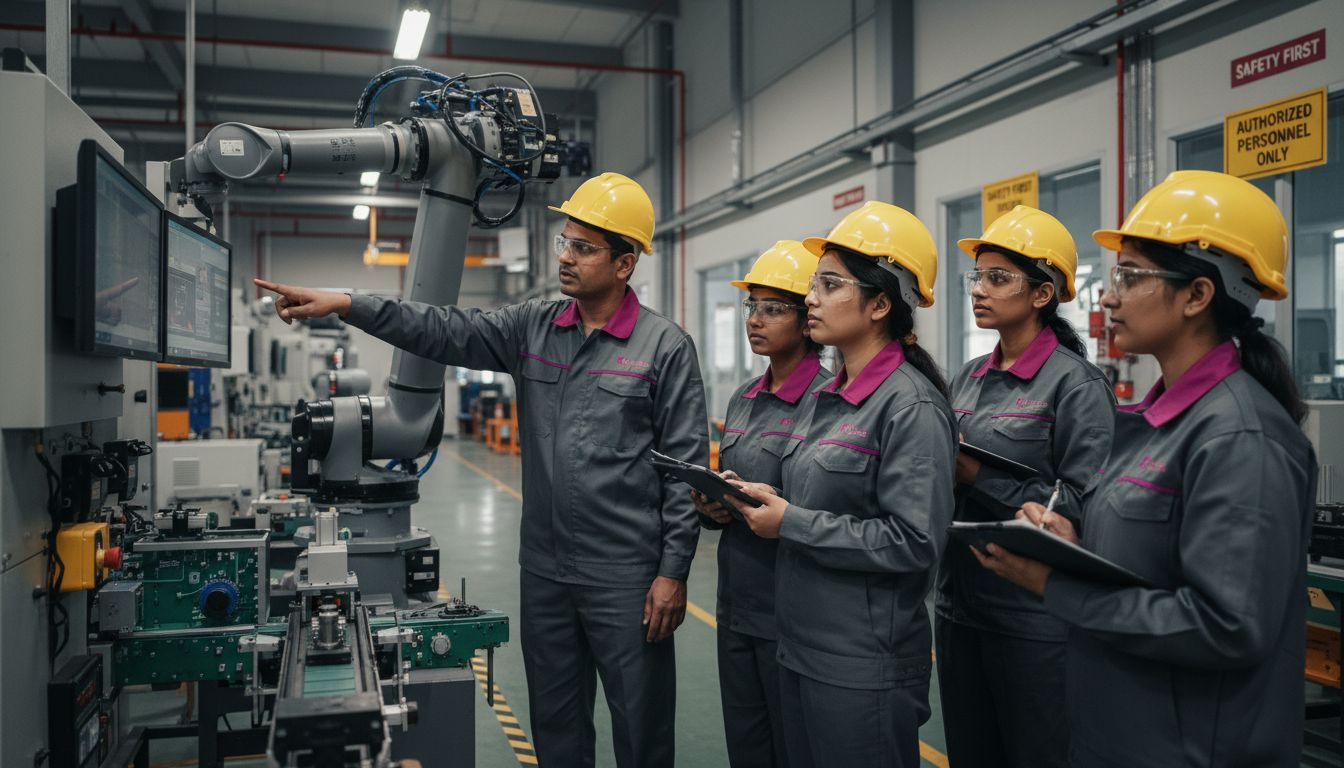
- Technical Skills Training
- Software and technology proficiency
- Equipment operation
- Industry-specific technical competencies
- Soft Skills Development
- Communication skills
- Leadership training
- Emotional intelligence
- Teamwork and collaboration
- Compliance and Safety Training
- Legal requirement workshops
- Workplace safety protocols
- Ethical conduct seminars
- Professional Development Programs
- Career progression workshops
- Management training
- Strategic thinking seminars
By offering a comprehensive range of training programs, organizations can create adaptive learning environments that support continuous professional growth, enhance employee performance, and drive overall business success.
Key Components and Delivery Methods
Corporate training requires a strategic approach with carefully designed components and innovative delivery methods. Arxiv identifies four critical components essential to effective training programs: Training Needs Analysis, Antecedent Training Conditions, Training Methods and Instructional Strategies, and Post-Training Conditions.
Delivery methods have evolved dramatically with technological advancements. Arxiv highlights the emergence of Augmented Reality (AR) as a cutting-edge training technique, particularly transformative in sectors like automotive and medical training. These immersive learning experiences provide interactive environments that significantly enhance knowledge retention and skill development.
Key delivery methods include:
- Traditional Classroom Training
- Face-to-face instructor-led sessions
- Interactive workshops
- Group discussions and collaborative learning
- Digital Learning Platforms
- E-learning modules
- Webinars
- Self-paced online courses
- Video tutorials
- Experiential Learning Methods
- On-the-job training
- Simulation-based training
- Role-playing scenarios
- Practical workshops
- Technology-Enhanced Training
- Augmented Reality (AR) experiences
- Virtual Reality (VR) simulations
- Mobile learning applications
- Microlearning platforms
Successful corporate training programs integrate multiple delivery methods, recognizing that diverse learning styles require flexible and adaptive approaches to skill development and knowledge transfer.
Benefits for Organizations and Individuals
Corporate training offers transformative advantages for both organizations and professionals. Research from theses.gla.ac.uk demonstrates that these programs drive significant increases in organizational output and productivity while simultaneously reducing employee attrition costs.
Work-integrated learning provides comprehensive benefits across multiple dimensions. Wikipedia highlights that participants experience enhanced self-efficacy and develop robust professional networks, which are critical for long-term career success. These programs serve as powerful determinants of employability, often giving participants substantial advantages in job searches and career transitions.
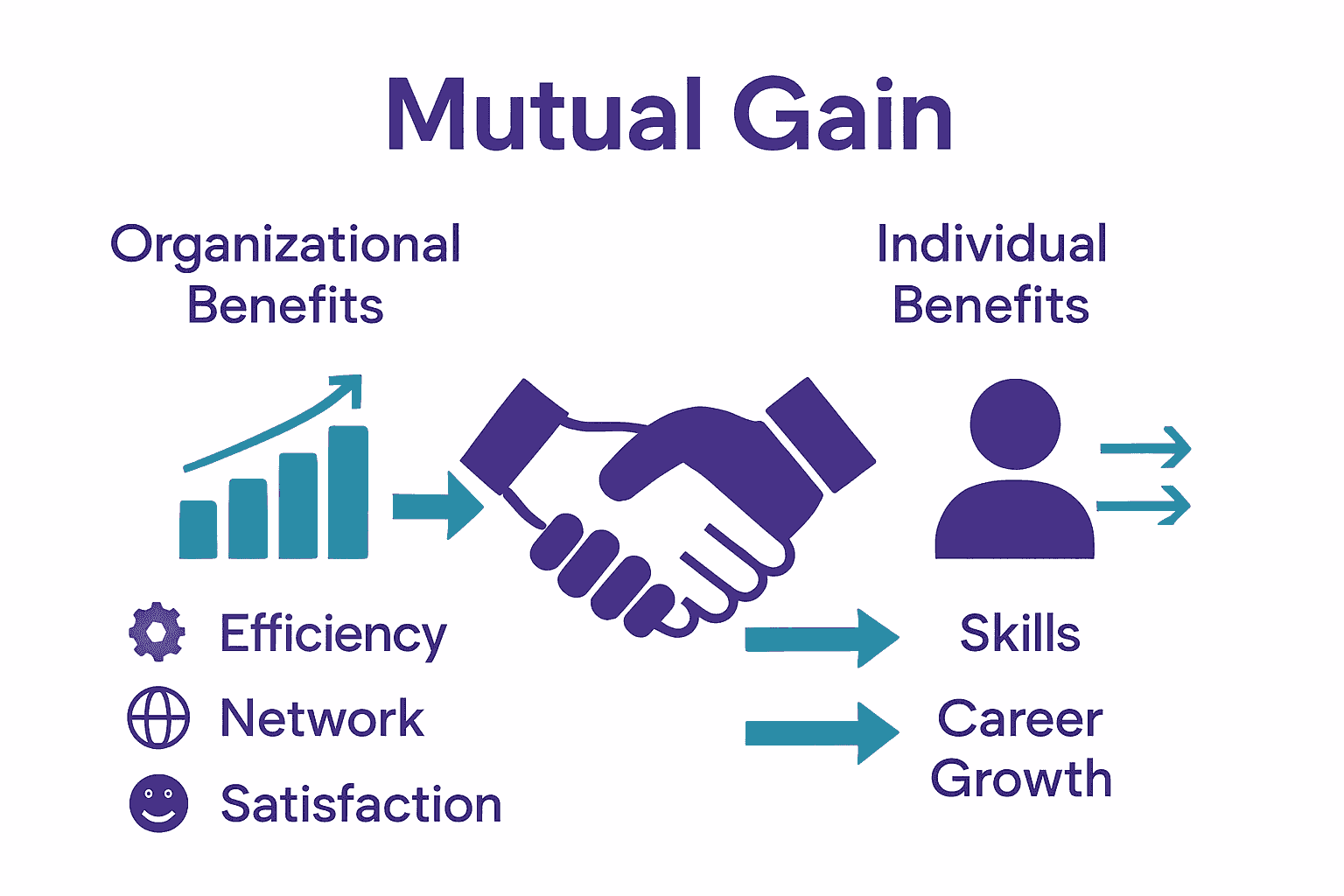
Benefits for Organizations:
- Increased operational efficiency
- Reduced recruitment and training expenses
- Enhanced employee performance
- Improved organizational adaptability
- Stronger internal talent pipeline
Benefits for Individuals:
- Skill enhancement and diversification
- Higher career advancement potential
- Reduced risk of unemployment
- Expanded professional network
- Increased job satisfaction and confidence
By investing in comprehensive training programs, organizations create a win-win ecosystem that nurtures individual growth while simultaneously driving collective business performance. The symbiotic relationship between organizational development and personal professional progression becomes a powerful catalyst for sustained success.
Challenges, Costs, and Common Pitfalls
Corporate training programs are not without significant challenges. Arxiv reveals critical gaps in methodological approaches, particularly in areas like Job/Task Analysis and Simulation-based Training, which can compromise the effectiveness of training initiatives.
Diversity training presents particularly complex challenges. Wikipedia highlights surprising research suggesting that mandatory diversity programs can sometimes produce counterintuitive outcomes, potentially increasing discrimination and prejudice instead of reducing them. This underscores the nuanced nature of corporate training design and implementation.
Common Challenges in Corporate Training:
- High implementation costs
- Difficulty measuring direct ROI
- Resistance to change from employees
- Rapid technological obsolescence
- Misalignment with organizational goals
Key Cost Considerations:
- Initial program development expenses
- Trainer and instructor fees
- Technology and infrastructure investment
- Lost productivity during training hours
- Ongoing maintenance and updating of training materials
Major Pitfalls to Avoid:
- One-size-fits-all training approaches
- Lack of personalized learning pathways
- Insufficient follow-up and skill reinforcement
- Neglecting individual learning preferences
- Minimal practical application opportunities
Successful corporate training requires a strategic, adaptable approach that recognizes the complex interplay between organizational needs, individual learning styles, and evolving workplace dynamics.
Elevate Your Event Management Career with Expert Corporate Training
Corporate training is crucial for bridging skill gaps and fostering continuous professional growth in fast-paced industries. The article highlights challenges like aligning training with organisational goals and choosing effective delivery methods to enhance both employee potential and business success. If you are seeking to develop practical skills while gaining real-world experience in event management, team.i.org offers tailored programmes that combine theoretical knowledge with hands-on projects, internships, and live event participation.
Why settle for generic training when specialised courses in corporate event management can give you a compelling advantage? Benefit from over 23 years of industry experience, accreditations, and partnerships with leading companies like DNA Entertainment Networks. Discover our range of certification courses with flexible formats designed to match your learning style. Take the next step now to transform your career with expert guidance and proven placement support by contacting us directly through this link. Unlock your potential today and stay ahead in the evolving event management landscape with team.i.org.
Frequently Asked Questions
What is corporate training and its main purpose?
Corporate training is a strategic approach focused on enhancing employee performance and skills within an organization. Its main purpose is to systematically modify individuals’ knowledge, skills, and attitudes to improve overall organizational effectiveness and drive business growth.
What are the different types of corporate training programs?
Corporate training programs include various formats such as technical skills training, soft skills development, compliance and safety training, and professional development programs. These can be delivered through traditional methods or modern digital platforms.
What are the benefits of corporate training for organizations?
Corporate training increases operational efficiency, reduces recruitment and training expenses, enhances employee performance, and fosters a stronger internal talent pipeline. It drives productivity and adaptability, benefiting the organization as a whole.
What challenges do organizations face in implementing corporate training?
Organizations often encounter challenges such as high implementation costs, measuring return on investment (ROI), employee resistance to change, rapid technological obsolescence, and misalignment with organizational goals.
Recommended
- Types of Corporate Events: Essential Guide for 2025 – team I
- Corporate Event Planning Courses: Guide to Skills and Certification – team I
- Understanding Corporate Social Responsibility Events – team I
- Corporate Event Planning Guide 2025: Steps, Skills, and Success – team I
- Dog Training Fundamentals 2025: Essential Skills for Every Handler – iPupPee