

Over 65 percent of indian event companies now model their strategies on global benchmarks set by british and European trends. For aspiring event managers and new graduates in India, understanding how technology, sustainability, and personalisation are redefining the industry is more crucial than ever. This guide brings you the key shifts shaping event management in 2025, helping you align your skills with fast-growing opportunities and navigate the changing demands of the profession.
Table of Contents
- Defining Event Industry Trends For 2025
- Emerging Technologies And Their Influence
- Sustainability And Responsible Event Practices
- Personalisation And Attendee Experience Shifts
- Regulatory Changes And Global Compliance
- Skills And Career Impact For Event Professionals
Key Takeaways
| Point | Details |
|---|---|
| Technological Integration | The event industry in 2025 focuses on hybrid experiences, utilising technologies like AI and Augmented Reality to enhance participant engagement. |
| Sustainability Practices | A strong emphasis on reducing environmental impact is evident, with circular economy principles shaping event planning and execution. |
| Personalised Experiences | Hyper-personalisation is key, leveraging data analytics to create tailored attendee experiences and continuously adapting to individual preferences. |
| Regulatory Compliance | Event professionals must navigate complex global regulations, particularly in data protection and sustainability, to ensure compliance and ethical practices. |
Defining Event Industry Trends for 2025
The event industry stands at a transformative crossroads in 2025, marked by unprecedented technological integration and strategic reimagination. Global event trends are rapidly evolving towards more adaptive, sustainable, and technologically sophisticated models that prioritise participant engagement and operational efficiency.
Key developments in the Indian event landscape reveal a pronounced shift towards hybrid event experiences that seamlessly blend digital and physical interactions. The emerging trends indicate a significant move beyond traditional event management approaches, with data-driven decision making becoming paramount. Event professionals must now navigate complex technological ecosystems, leveraging advanced analytics, artificial intelligence, and immersive technologies to create compelling audience experiences.
Sustainability has emerged as a critical consideration, with events increasingly designed to minimise environmental impact. Market recovery insights demonstrate that organisations are not just adopting green practices but integrating them as core strategic elements. This involves comprehensive approaches including carbon footprint reduction, ethical sourcing, waste management, and promoting social responsibility throughout event planning and execution.
Pro tip: Invest in continuous learning and technological upskilling to remain competitive in the rapidly evolving 2025 event management landscape.
Emerging Technologies and Their Influence
The event industry in 2025 is experiencing a technological revolution that fundamentally transforms how events are conceptualised, planned, and executed. Global research highlights the critical role of emerging digital technologies in reshaping participant experiences and operational strategies across both physical and virtual event landscapes.
Artificial Intelligence and Augmented Reality are emerging as game-changing technologies in event management. These innovations enable hyper-personalised experiences, with AI algorithms capable of generating tailored recommendations, managing attendee interactions, and predicting engagement patterns. In the Indian context, event professionals are increasingly leveraging machine learning to create more interactive, intelligent event platforms that can anticipate participant needs and dynamically adjust experiences in real-time.
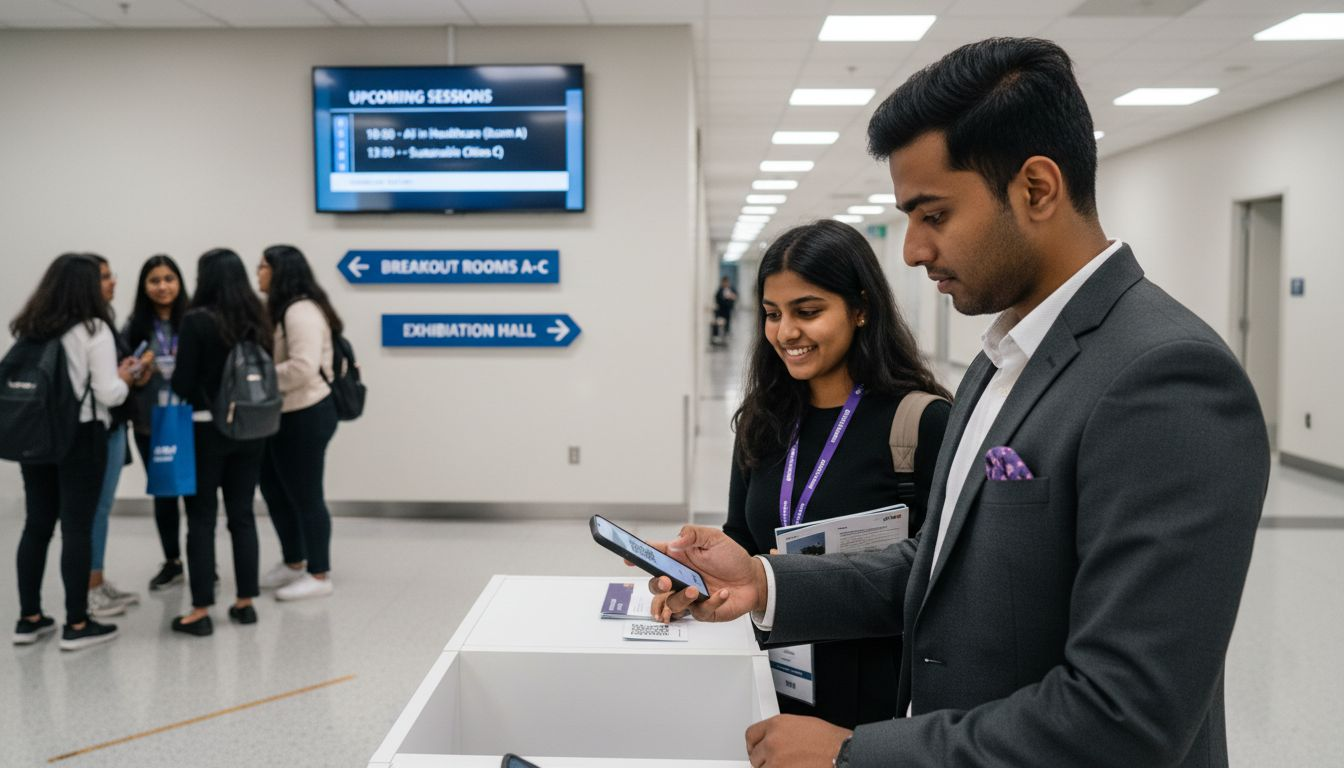
Advanced event technology trends are driving significant transformations in event infrastructure. Immersive technologies like virtual reality and augmented reality are creating new dimensions of participant engagement, allowing seamless integration between physical and digital event spaces. Facial recognition, consolidated event management platforms, and sustainable technological solutions are becoming standard tools for event professionals seeking to enhance operational efficiency and create more meaningful, personalised attendee experiences.
Pro tip: Develop a comprehensive understanding of emerging technologies by regularly participating in digital upskilling programmes and attending technology-focused event management workshops.
Here is a summary of key technological innovations shaping the event industry in 2025:
| Technology | Primary Function | Business Impact | Adoption Example |
|---|---|---|---|
| Artificial Intelligence | Personalised recommendations | Increased engagement and efficiency | Tailored event agendas |
| Augmented Reality | Immersive audience experiences | Enhanced attendee satisfaction | Virtual networking zones |
| Machine Learning | Predict attendee needs | Dynamic event optimisation | Real-time experience adaption |
| Facial Recognition | Streamlined security and access | Improved operational efficiency | Automated event check-in |
| Sustainable Solutions | Reduce environmental footprint | Stronger brand reputation | Renewable energy sourcing |
Sustainability and Responsible Event Practices
The event industry is experiencing a profound transformation towards more environmentally conscious and socially responsible practices in 2025. Comprehensive sustainability guidelines are now integral to event planning, reflecting a global commitment to reducing environmental impact and promoting ethical event management strategies.
Circular Economy Principles are becoming central to event design, with professionals implementing innovative approaches to waste reduction and resource management. Indian event managers are leading the way by developing strategic frameworks that prioritise local sourcing, minimise single-use materials, and create closed-loop systems that dramatically reduce carbon footprints. This involves comprehensive strategies such as digital ticketing, sustainable catering practices, renewable energy usage, and carefully curated waste management protocols that transform traditional event consumption models.
Global event sustainability regulations are driving significant changes in industry practices. Event organisations are now required to measure and report their environmental impact, with sophisticated carbon tracking tools becoming standard practice. This shift extends beyond environmental considerations to include social responsibility, with events increasingly viewed as platforms for promoting ethical practices, supporting local communities, and creating meaningful social impact.
Pro tip: Develop a comprehensive sustainability certification and consistently document your event’s environmental performance to demonstrate commitment to responsible practices.
The following table compares traditional and modern approaches to event sustainability:
| Aspect | Traditional Approach | Modern 2025 Approach | Example Practice |
|---|---|---|---|
| Waste Management | Single-use items common | Closed-loop/resource reuse focus | Compostable dinnerware |
| Sourcing | Global suppliers preferred | Local/ethical sourcing prioritised | Local catering partners |
| Energy Use | Conventional power sources | Renewable energy integration | Solar-powered venues |
| Social Responsibility | Limited focus | Central to event strategy | Inclusive hiring policies |
Personalisation and Attendee Experience Shifts
AI-driven personalisation strategies are fundamentally transforming the event landscape in 2025, introducing unprecedented levels of individualized participant engagement. Event professionals are now leveraging sophisticated data analytics and machine learning algorithms to create deeply customised experiences that respond dynamically to each attendee’s preferences, professional background, and real-time interactions.
Hyper-personalisation has evolved from a cutting-edge concept to an industry standard, particularly within the Indian event management ecosystem. This approach goes beyond traditional segmentation, utilising advanced sensor technologies and artificial intelligence to craft immersive, emotionally resonant experiences. Event managers now create curated journeys that adapt in real-time, offering personalised networking opportunities, contextually relevant content, and seamless technological interactions that feel intuitive and individually crafted.
Digital interactive experiences are redefining attendee engagement through unprecedented levels of technological integration. Emerging technologies enable micro-targeted experiences where every touchpoint – from registration to post-event follow-up – is tailored to individual participant profiles. This includes adaptive agenda recommendations, intelligent matchmaking for networking, accessibility features that accommodate diverse participant needs, and personalised communication streams that enhance overall event satisfaction and participant retention.
Pro tip: Invest in continuous learning about AI and data analytics technologies to develop the skills necessary for creating truly personalised event experiences.
Regulatory Changes and Global Compliance
Global compliance landscapes are undergoing significant transformation in 2025, presenting unprecedented challenges and opportunities for event management professionals. The regulatory environment is becoming increasingly complex, with multinational frameworks demanding sophisticated approaches to data protection, ethical standards, and technological governance.
Cybersecurity and Data Privacy have emerged as critical focal points for regulatory scrutiny, particularly in the event management sector. Indian event professionals are now required to implement robust mechanisms that ensure comprehensive data protection, transparent consent management, and stringent security protocols. This involves developing advanced technological infrastructures that can seamlessly navigate evolving global regulations, including nuanced interpretations of GDPR, emerging artificial intelligence compliance standards, and sector-specific data handling requirements.
Regulatory certification standards are becoming increasingly sophisticated, demanding holistic approaches to compliance that extend beyond traditional administrative frameworks. Event management organisations must now integrate Environmental, Social, and Governance (ESG) considerations into their operational models, demonstrating measurable commitments to sustainable practices, ethical conduct, and transparent reporting mechanisms that meet international benchmarks.
Pro tip: Develop a comprehensive understanding of international regulatory frameworks by pursuing specialised certifications and maintaining continuous professional development in compliance management.
Skills and Career Impact for Event Professionals
Global industry trends are rapidly reshaping career landscapes for event professionals in 2025, demanding unprecedented levels of adaptability, technological proficiency, and strategic thinking. The traditional event management role is evolving into a multidimensional profession that requires integrated skills spanning technology, sustainability, and advanced communication strategies.
Digital Transformation has become the cornerstone of career development in the event management sector. Professionals must now cultivate a sophisticated blend of technical and creative capabilities, with emerging roles like virtual event strategists, sustainability coordinators, and AI integration specialists becoming increasingly prominent. In the Indian context, this translates to developing skills in data analytics, immersive technologies, and cross-cultural communication that enable seamless navigation of complex global event ecosystems.
Career opportunities in events are expanding beyond conventional boundaries, driven by technological innovation and sustainable practices. Event professionals are expected to be agile learners who can integrate environmental, social, and governance considerations into their strategic planning. This requires a holistic skill set that encompasses digital literacy, emotional intelligence, technological adaptability, and a deep understanding of global cultural dynamics, positioning event management as a highly sophisticated and intellectually demanding career path.
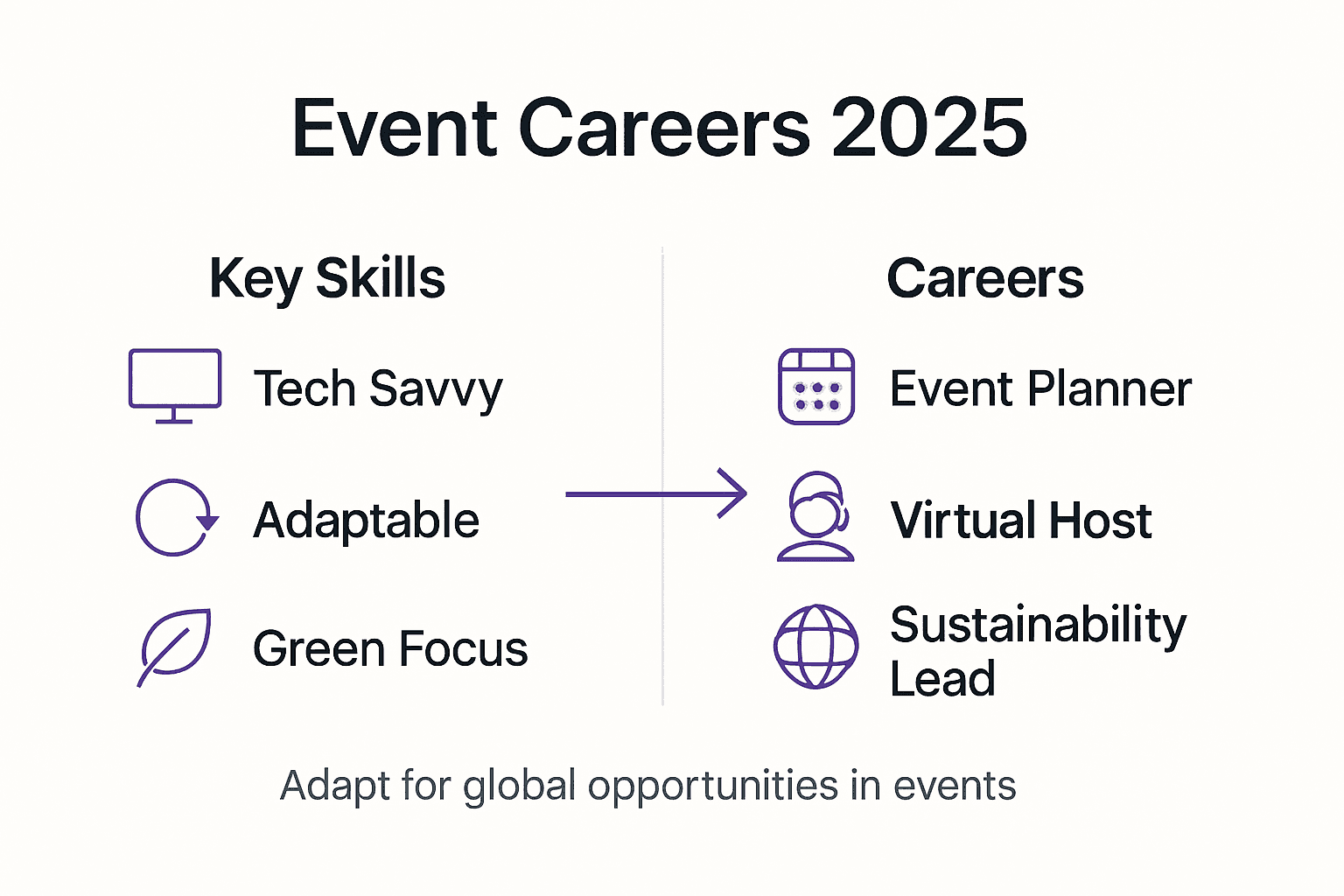
Pro tip: Continuously invest in cross-disciplinary skills development, focusing on emerging technologies, sustainability practices, and advanced communication strategies to remain competitive in the evolving event management landscape.
Advance Your Career in Event Management with Future-Ready Skills
The article highlights the urgent need for event professionals to adapt to rapid technological changes, sustainability demands, and evolving personalisation practices shaping the event industry in 2025. Many aspiring event managers struggle with mastering AI integration, sustainable event planning, and regulatory compliance while striving to deliver exceptional attendee experiences. Key challenges include developing digital literacy, embracing hybrid event formats, and aligning with global compliance standards.
At team.i.org, we understand these challenges and provide specialised education and training designed to equip you with exactly these skills. With over 23 years of experience and industry partnerships such as DNA Entertainment Networks, our certification programmes incorporate cutting-edge content on AI, sustainability, and emerging event technologies. Join our online and hybrid courses to gain hands-on experience through projects and internships that prepare you for the dynamic 2025 event landscape.
Ready to transform your passion into a thriving career? Take the next step today by exploring our comprehensive courses and collaborate with industry leaders for guaranteed job placements. Visit team.i.org to start your journey towards becoming a skilled, future-ready event professional.
Frequently Asked Questions
What are the key trends shaping the event industry in 2025?
Key trends include a significant shift towards hybrid events, increased technological integration, a focus on sustainability, and the adoption of personalisation strategies driven by AI and data analytics.
How is technology affecting participant experiences in events?
Technological advancements such as Artificial Intelligence and Augmented Reality are enabling hyper-personalised attendee experiences, creating more engaging and interactive environments through real-time data and immersive technologies.
What role does sustainability play in event planning for 2025?
Sustainability is crucial, with event planners adopting circular economy principles to minimise waste, source materials ethically, and reduce carbon footprints. Events are now seen as platforms for promoting social responsibility and environmental consciousness.
What skills will event professionals need to succeed in the evolving industry?
Event professionals should focus on developing a blend of technological, creative, and strategic skills, including proficiency in digital tools, data analytics, sustainability practices, and advanced communication techniques.
Recommended
- Top Event Management Workshops 2025: Courses for Career Growth – team I
- Wedding Event Management: Guide for Career Success in 2025 – team I
- Corporate Event Planning Guide 2025: Steps, Skills, and Success – team I
- Types of Corporate Events: Essential Guide for 2025 – team I
- 7 beliebte Anlässe für DJs: Tipps für gelungene Events