
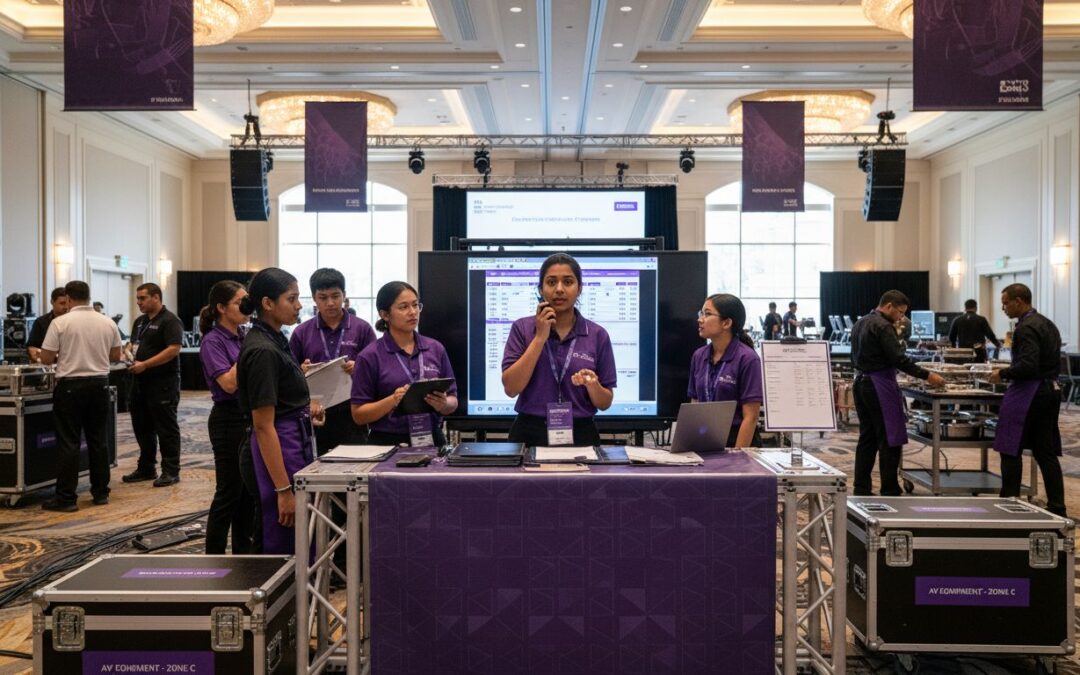
Every unforgettable event depends on more than just great ideas and dazzling venues. Behind the scenes, careful planning and flawless organization make the real difference. Over 80 percent of event failures can be traced back to poor logistics and planning. Understanding the core concepts of event logistics helps both beginners and seasoned professionals bring complex visions to life. This article breaks down the essential strategies, practical challenges, and key roles that power smooth, successful events from start to finish.
Table of Contents
- Defining Event Logistics And Core Concepts
- Types Of Event Logistics In Practice
- Key Stages In The Logistics Process
- Roles And Responsibilities In Event Logistics
- Common Challenges And Risk Management
Key Takeaways
| Point | Details |
|---|---|
| Event Logistics Importance | Event logistics involves intricate planning and coordination essential for successful event execution, requiring a strategic approach across multiple components. |
| Types of Event Logistics | Various event categories, such as corporate, social, and entertainment events, require tailored logistical strategies to address their unique operational needs. |
| Logistics Process Stages | Key stages from pre-event planning to post-event evaluation must be navigated effectively to ensure seamless event experiences. |
| Risk Management Strategies | Proactive risk mitigation is vital, emphasizing the need for robust communication protocols and contingency plans to address potential disruptions. |
Defining Event Logistics and Core Concepts
Event logistics represents the intricate planning, coordination, and management of complex operational details that ensure an event runs smoothly from conception to completion. More than just moving equipment or scheduling deliveries, event logistics involves a strategic approach to orchestrating multiple moving parts with precision and efficiency.
At its core, event logistics encompasses several critical components:
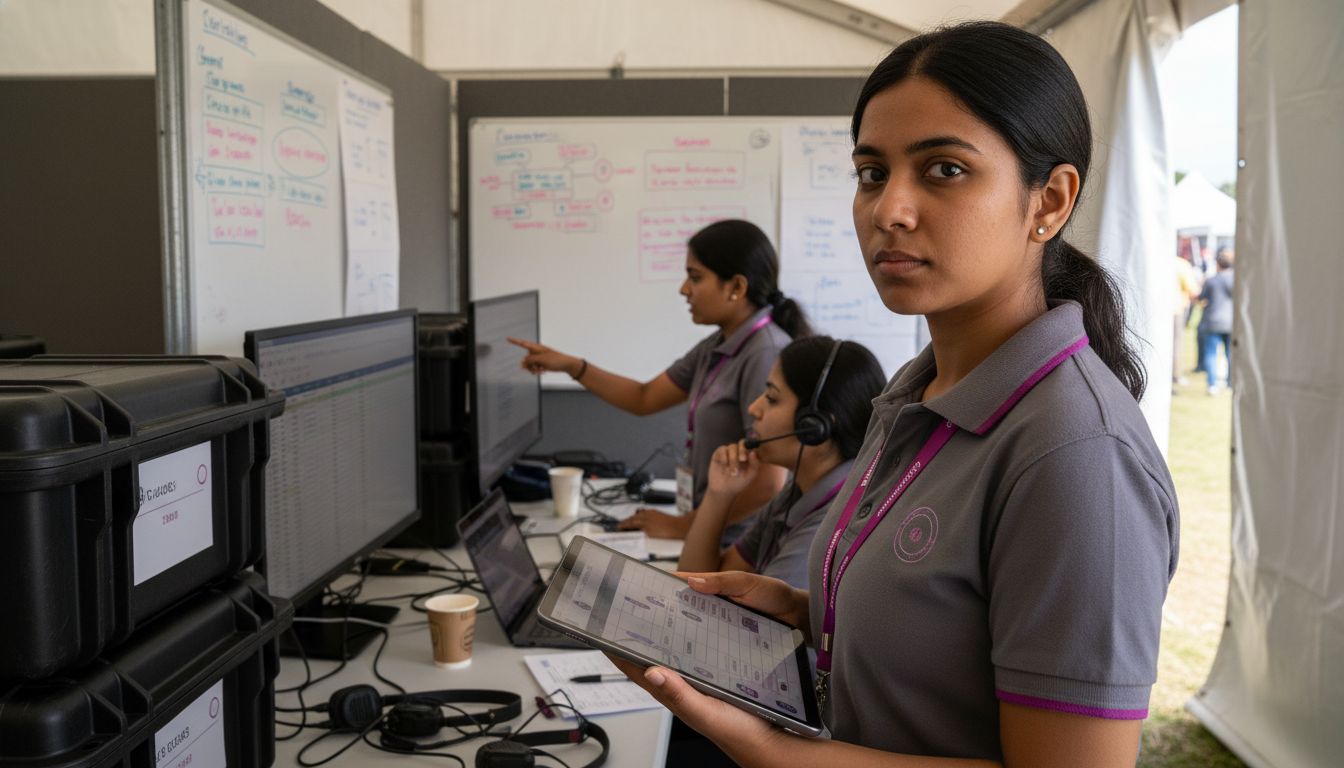
- Resource Management: Tracking and allocating human resources, technical equipment, transportation, and venue-specific requirements
- Scheduling and Coordination: Creating detailed timelines that synchronise various event elements seamlessly
- Risk Mitigation: Developing contingency plans to address potential disruptions or challenges during event execution
- Technical Infrastructure: Managing technological requirements like sound systems, lighting, communication networks, and digital platforms
Professional event logistics professionals must possess a unique blend of strategic thinking, technical knowledge, and exceptional interpersonal skills. They serve as the critical backbone that transforms event concepts from theoretical plans into dynamic, memorable experiences. For aspiring event managers seeking to understand this complex field, understanding event management fundamentals provides an essential starting point.
In the Indian context, event logistics has evolved significantly, reflecting the country’s rapidly expanding event management industry. From corporate conferences in Mumbai to destination weddings in Rajasthan, logistics professionals must navigate diverse cultural expectations, technological requirements, and logistical challenges. Their role demands adaptability, cultural sensitivity, and a deep understanding of both local and global event management practices.
Types of Event Logistics in Practice
Event logistics varies dramatically across different event categories, each demanding unique operational strategies and specialized approaches. According to GeeksforGeeks, event management encompasses diverse types that require distinct logistical considerations, ranging from corporate gatherings to social celebrations and non-profit initiatives.
Key event logistics types include:
-
Corporate Event Logistics: Focuses on professional conferences, product launches, and business meetings
- Requires precise scheduling
- Demands high-tech audio-visual setups
- Involves complex stakeholder coordination
-
Social Event Logistics: Covers weddings, birthday parties, and personal celebrations
- Emphasizes emotional experience design
- Requires flexible resource management
- Involves intricate personal preference handling
-
Cultural and Entertainment Event Logistics: Encompasses concerts, festivals, and performances
- Demands extensive crowd management
- Requires sophisticated technical infrastructure
- Involves complex transportation and security planning
For professionals seeking to master these nuanced logistics strategies, understanding the event production process provides critical foundational knowledge.
Indian event management professionals particularly excel in navigating these complex logistical landscapes, demonstrating remarkable adaptability across diverse event formats and cultural contexts.
The most successful event logistics professionals recognize that each event type represents a unique ecosystem, requiring tailored strategic approaches, meticulous planning, and exceptional interpersonal skills. Their ability to anticipate challenges, design seamless experiences, and execute flawless operational plans distinguishes exceptional event management practitioners.
Key Stages in the Logistics Process
Event logistics is a meticulously structured process that transforms complex event concepts into seamless, memorable experiences. While no single universal framework exists, professional event managers typically navigate a comprehensive sequence of interconnected stages designed to ensure flawless execution.
The key stages in event logistics can be systematically broken down into:

-
Pre-Event Planning Stage
- Conceptualization and initial strategy development
- Detailed resource inventory and allocation
- Venue selection and preliminary technical requirements assessment
- Budget development and financial planning
-
Detailed Logistics Coordination
- Vendor contract negotiations
- Comprehensive transportation and infrastructure planning
- Technical equipment sourcing and configuration
- Participant and staff communication protocols
-
On-Site Implementation
- Real-time event management and coordination
- Technical setup and operational troubleshooting
- Crowd management and safety protocols
- Dynamic resource reallocation
-
Post-Event Evaluation
- Performance documentation
- Financial reconciliation
- Stakeholder feedback collection
- Lessons learned and future improvement strategies
For professionals seeking deeper insights into navigating these complex logistics processes, event logistics planning provides essential guidance. The most successful event logistics professionals understand that each stage represents a critical interconnected system requiring precision, adaptability, and strategic foresight.
In the dynamic Indian event management landscape, these logistics stages are not merely procedural steps but intricate choreographies that blend technical expertise with creative problem-solving. Professionals must anticipate challenges, design flexible strategies, and maintain exceptional communication across all event dimensions.
Roles and Responsibilities in Event Logistics
Event logistics professionals operate within a complex ecosystem where multiple roles intersect to create seamless event experiences. Each team member plays a critical part in transforming event concepts from abstract plans into tangible, memorable moments that exceed client expectations.
Key roles in event logistics include:
-
Event Coordinator
- Primary point of communication
- Manages vendor relationships
- Tracks project timelines and budgets
- Ensures smooth interdepartmental collaboration
-
Logistics Manager
- Develops comprehensive transportation strategies
- Coordinates technical infrastructure requirements
- Manages resource allocation and equipment deployment
- Designs contingency plans for potential disruptions
-
Technical Operations Specialist
- Handles audio-visual equipment setup
- Manages communication technology
- Troubleshoots real-time technical challenges
- Ensures seamless technological integration
-
Venue and Space Planning Expert
- Conducts site assessments
- Designs optimal space configurations
- Manages crowd flow and safety protocols
- Coordinates with venue management teams
For professionals aiming to excel in these multifaceted roles, understanding key event coordinator responsibilities provides critical insights into navigating this dynamic professional landscape. The most successful event logistics teams operate like well-choreographed orchestras, with each member understanding their unique contribution to the collective performance.
In the Indian event management context, these roles demand exceptional cultural adaptability, technical proficiency, and interpersonal skills. Professionals must seamlessly blend strategic thinking, creative problem-solving, and meticulous attention to detail to deliver extraordinary event experiences that resonate with diverse audiences.
Common Challenges and Risk Management
Event logistics demands exceptional strategic planning and proactive risk mitigation. According to the Event Management Institute, technological tracking and inventory management represent critical areas where professionals must develop robust contingency strategies to ensure seamless event execution.
Primary challenges in event logistics include:
-
Technological Disruptions
- Equipment failure risks
- Network connectivity issues
- Software compatibility challenges
- Real-time technical troubleshooting requirements
-
Communication Breakdown
- Interdepartmental coordination gaps
- Miscommunication with vendors
- Language and cultural communication barriers
- Unclear reporting hierarchies
-
Resource Management Complexities
- Unexpected resource shortages
- Budget overrun risks
- Last-minute logistical adjustments
- Complex vendor contract negotiations
GoGather emphasizes that effective risk management fundamentally relies on comprehensive communication protocols and strategic backup planning. Successful event logistics professionals develop multilayered contingency frameworks that anticipate potential disruptions and create adaptive response mechanisms.
In the dynamic Indian event management landscape, risk management transcends traditional planning. Professionals must cultivate extraordinary flexibility, combining technological insights, cultural intelligence, and rapid problem-solving skills to transform potential challenges into opportunities for exceptional event delivery.
Master the Complexities of Event Logistics with Expert Training
If you found the detailed exploration of event logistics enlightening, you understand the importance of mastering resource management, risk mitigation, and seamless coordination to deliver unforgettable events. The challenges of technical disruptions and communication breakdowns demand not only knowledge but hands-on expertise. Whether you aim to excel as an event coordinator or logistics manager, gaining practical skills in these areas is essential.
Start transforming your passion into a thriving career by exploring specialised courses at team.i.org. Benefit from 23 years of industry experience and comprehensive training designed to equip you with the latest strategies in event logistics and management. Don’t wait to embrace a career that places you at the heart of dynamic event production. Take the next step now by connecting with us through this link and discover how you can join the ranks of India’s top event management professionals.
Frequently Asked Questions
What are the key components of event logistics?
Event logistics involves resource management, scheduling and coordination, risk mitigation, and managing technical infrastructure to ensure an event runs smoothly.
What are the different types of event logistics?
Event logistics can vary by type, including corporate event logistics, social event logistics, and cultural and entertainment event logistics, each requiring unique strategies and operational considerations.
What are the stages involved in the event logistics process?
The key stages in the event logistics process include pre-event planning, detailed logistics coordination, on-site implementation, and post-event evaluation.
What challenges do event logistics professionals face?
Common challenges include technological disruptions, communication breakdowns, and complexities in resource management, requiring effective risk management strategies to address potential disruptions.
Recommended
- Event Logistics Planning: Essential Steps and Tips for 2025 – team I
- Understanding the Event Production Process for Success – team I
- Understanding Event Management for Beginners – team I
- What is Event Planning? A Guide for Future Professionals 2025 – team I
- What Is Sports Event Management? Complete Guide – Morocco Events
- What Is Event Security? Complete UK Guide | Brainiac Media