

Aspiring event managers across India often find themselves trapped between classroom theory and industry demands. You learn concepts, frameworks, and case studies, but when it comes to executing a real event, the gap between knowledge and practical competence feels enormous. Certified training paired with hands-on experience closes this divide. This guide walks you through integrating event and project management principles, certification pathways in India, and how practical exposure drives measurable career growth.
Table of Contents
- Understanding Event Management and Project Management
- Benefits of Integrating Project Management in Event Management
- Certification and Training Opportunities in India
- Practical Training and Hands-On Experience
- Project Management Methodologies in Event Planning
- Tools and Frameworks for Event Project Management
- Advance Your Event Management Career with Team i
Key Takeaways
| Point | Details |
|---|---|
| Event management applies project principles | Events follow clear phases like initiation, planning, execution, and closure with defined constraints. |
| Project frameworks cut delays and overruns | Adopting project management principles reduces delays and budget overruns by up to 30%. |
| Certification plus internships boost competency | Combining recognized credentials with real event experience improves skill levels by approximately 40%. |
| Methodology choice depends on event type | Waterfall suits fixed agenda conferences; Agile fits dynamic festivals with evolving requirements. |
| Digital tools enhance coordination | Software like Trello and Asana streamline task tracking, scheduling, and team communication. |
Understanding Event Management and Project Management
Event management is the art and science of planning, organizing, executing, and closing temporary events within defined constraints. Whether you’re managing a product launch, wedding, or music festival, every event operates under time limits, budget caps, and stakeholder expectations.
Project management offers a structured approach to achieving specific goals through five core phases: initiation, planning, execution, monitoring, and closure. These principles apply universally across industries, from construction to software development. Event management fundamentally acts as a specialized application of project management, involving defining, planning, executing, and closing event-specific projects within constraints such as time and budget.
Think of a corporate conference scheduled for three months from now with a budget of ₹15 lakhs. You define objectives during initiation, create timelines and budgets during planning, coordinate vendors and logistics during execution, track progress through monitoring, and conduct post-event analysis during closure. Each phase mirrors standard project management.
Key phases and their event applications include:
- Initiation: Define event purpose, scope, and stakeholder needs
- Planning: Develop detailed schedules, budgets, and resource allocation
- Execution: Coordinate teams, vendors, and on-ground activities
- Monitoring: Track progress, manage risks, and adjust plans
- Closure: Conduct debriefs, financial reconciliation, and stakeholder feedback
Understanding this relationship transforms how you approach events. Instead of reacting to chaos, you anticipate challenges, allocate resources strategically, and maintain control throughout the lifecycle.
Benefits of Integrating Project Management in Event Management
Adopting project management frameworks delivers measurable improvements in event outcomes. Research shows that using structured methodologies leads to up to 30% fewer delays and cost overruns. When you map event activities to formal project phases, accountability becomes clear and deliverables stay visible.
Structured phases from initiation through closure enhance control over every moving part. During planning, you establish baselines for schedule and budget. During execution, you compare actual performance against these baselines. This visibility allows you to catch deviations early and adjust before small issues become disasters.
Improved communication stands out as another major advantage. Project management emphasizes stakeholder identification, communication plans, and regular status updates. In event contexts, this means vendors receive timely briefs, team members understand dependencies, and sponsors stay informed. Fewer misunderstandings translate directly to reduced risks and smoother execution.
Consider a wedding planner who adopted Gantt charts and milestone tracking for a 500-guest celebration. By breaking down tasks into work packages with assigned owners and deadlines, the team identified a venue booking conflict three weeks before the event. Early detection allowed them to negotiate an alternative date, avoiding last-minute chaos and financial penalties.
Key benefits include:
- Enhanced schedule adherence through critical path analysis
- Budget control via earned value management techniques
- Risk mitigation through formal identification and response planning
- Clearer accountability with defined roles and responsibilities
- Better stakeholder satisfaction due to transparent communication
Pro Tip: Always map your event stages to project phases explicitly. Create a simple matrix showing how initiation, planning, execution, monitoring, and closure align with your event timeline. This visual guide keeps your team aligned and accountable throughout the process.
Certification and Training Opportunities in India
India’s event management industry has matured significantly, creating demand for professionally certified managers. Several recognized certifications address skill gaps and boost employability. The Certified Meeting Professional (CMP) and Certified Special Events Professional (CSEP) enjoy international recognition and demonstrate mastery of planning, execution, and evaluation standards.
Team i offers comprehensive event management certification courses tailored specifically for the Indian market. These programs combine theoretical frameworks with practical components, addressing the importance of certification in event management for career advancement. After graduation, you can explore event management courses in India that align with your specialization interests.
Certifications fill critical skill gaps by providing structured curricula covering budgeting, vendor management, risk assessment, and post-event analysis. Industry acceptance has grown as employers recognize that certified professionals bring standardized competencies and reduced training costs. Surveys indicate that certified event managers command 15 to 20% higher salaries compared to non-certified peers with similar experience.
| Certification | Duration | Approximate Cost | Industry Recognition |
|---|---|---|---|
| Certified Meeting Professional (CMP) | 6-12 months prep | ₹40,000-₹60,000 | High (International) |
| Certified Special Events Professional (CSEP) | 6-9 months prep | ₹35,000-₹55,000 | High (International) |
| Team i Event Management Certification | 6-12 months | ₹1,50,000-₹3,00,000 | Strong (India-focused) |
| Diploma Programs (Various Institutes) | 1 year | ₹50,000-₹1,50,000 | Moderate (Regional) |
Benefits from certification include:
- Enhanced employability through recognized credentials
- Access to professional networks and industry events
- Structured learning covering gaps in self-taught knowledge
- Increased confidence when negotiating with clients and vendors
- Foundation for specialization in corporate, social, or sports events
Choosing the right certification depends on your career stage, budget, and geographic focus. International certifications like CMP suit professionals targeting global opportunities, while India-centric programs offer stronger local industry connections and placement support.
Practical Training and Hands-On Experience
Theory only takes you so far. Practice-based learning boosts skill competency by approximately 40% over classroom instruction alone. Internships, live projects, and real event participation expose you to challenges no textbook can simulate: demanding clients, last-minute vendor cancellations, weather disruptions, and budget squeezes.
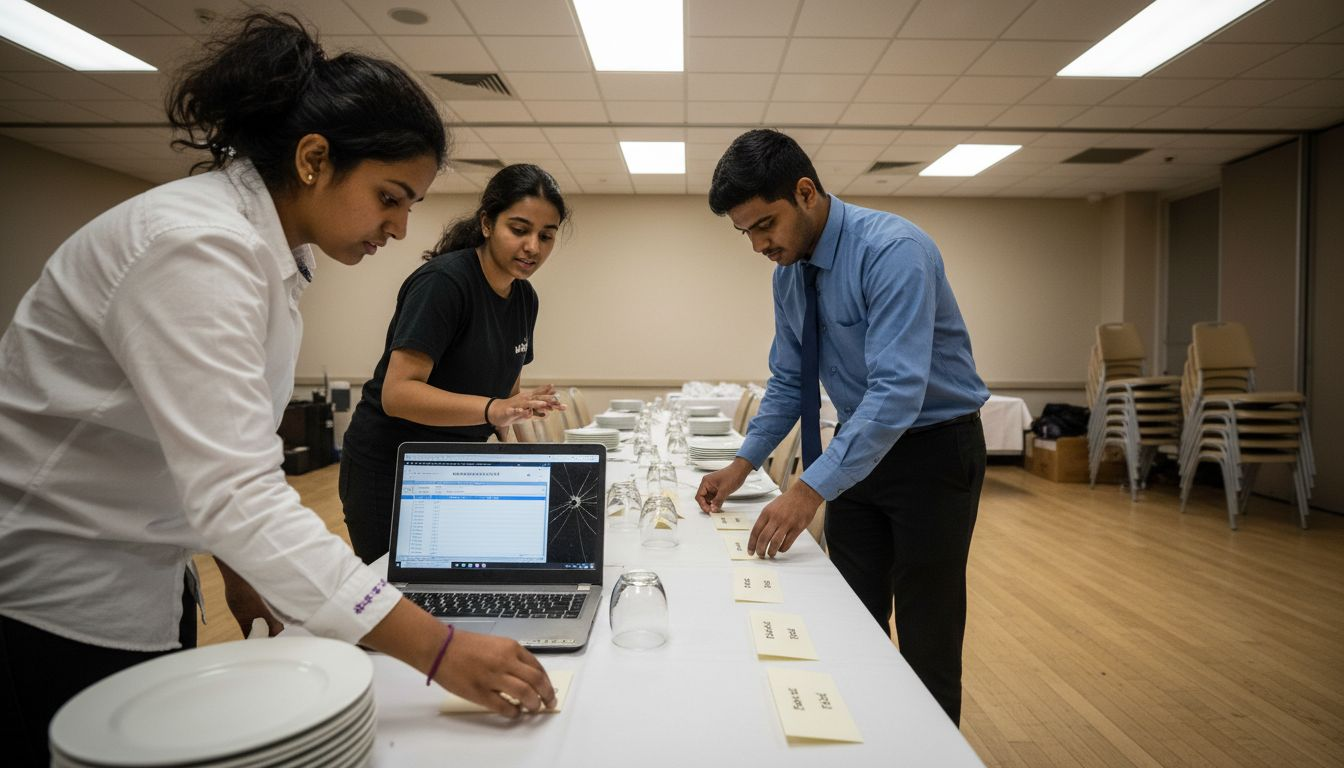
Indian event training programs increasingly incorporate internship models. Team i, for instance, partners with DNA Entertainment Networks to provide students access to live events ranging from corporate conferences to music festivals. This exposure allows you to apply project management frameworks under real pressure, developing problem-solving instincts that separate competent managers from exceptional ones.
How to leverage internships for maximum career benefit:
- Seek roles offering real responsibility, not just observation or errand running
- Document every project: create a portfolio with photos, budgets, and outcome metrics
- Network actively with industry professionals during events to build lasting connections
- Request feedback from supervisors to identify skill gaps and improvement areas
- Volunteer for diverse event types to discover your preferred specialization
Understanding the importance of internships for event students accelerates your learning curve dramatically. The event management internships guide for 2026 provides detailed strategies for securing and maximizing these opportunities.
Real-world event participation simulates project management challenges in compressed timeframes. A three-day conference requires months of planning but delivers immediate feedback on your execution. You learn which communication channels work, how to manage stakeholder expectations, and when to escalate issues. These lessons stick far better than case study analysis.
Pro Tip: Prioritize internships offering real responsibilities over brand names. A small event company where you manage vendor negotiations and budget tracking teaches more than shadowing senior staff at a famous agency. Focus on skill development, then leverage those competencies to access bigger opportunities.
Project Management Methodologies in Event Planning
Selecting the right project management methodology can make or break your event. Two dominant approaches serve different event contexts: Waterfall and Agile.
Waterfall follows a linear, phase-based structure. You complete initiation fully before moving to planning, finish planning before execution begins, and so on. This methodology works beautifully for predictable, fixed-agenda events like annual corporate conferences, award ceremonies, or formal galas. When requirements are clear upfront and changes are minimal, Waterfall provides clarity and tight control.
Agile embraces iteration and flexibility. Instead of locking down every detail upfront, you work in short cycles called sprints, adapting plans as stakeholder needs evolve. This approach suits complex, multi-stakeholder events like music festivals, trade shows, or large weddings where requirements shift frequently and rapid responses are crucial.
| Aspect | Waterfall | Agile |
|---|---|---|
| Planning Approach | Comprehensive upfront | Iterative, evolving |
| Flexibility | Low (changes are costly) | High (built for change) |
| Best For | Formal events, conferences | Festivals, dynamic events |
| Stakeholder Involvement | Defined at start, limited mid-project | Continuous throughout |
| Risk Management | Identified early, mitigation planned | Adaptive, addressed per sprint |
| Documentation | Extensive and formal | Lighter, focuses on essentials |
Choosing the right methodology depends on:
- Event type and formality level
- Stakeholder count and their engagement style
- Budget flexibility and tolerance for scope changes
- Timeline certainty and external dependencies
- Team experience with each approach
For example, a government-sponsored independence day celebration with fixed protocols and approvals fits Waterfall perfectly. A startup’s product launch event with evolving features, influencer involvement, and last-minute sponsor additions thrives under Agile.
Some event managers blend approaches, using Waterfall for core infrastructure like venue and catering contracts while applying Agile principles to content programming and social media campaigns. This hybrid model balances stability with flexibility.
Tools and Frameworks for Event Project Management
Digital tools transform event project management from spreadsheet chaos into coordinated execution. Microsoft Project remains the gold standard for complex events requiring detailed scheduling, resource leveling, and critical path analysis. Its Gantt charts provide visual clarity on task dependencies and timeline bottlenecks.
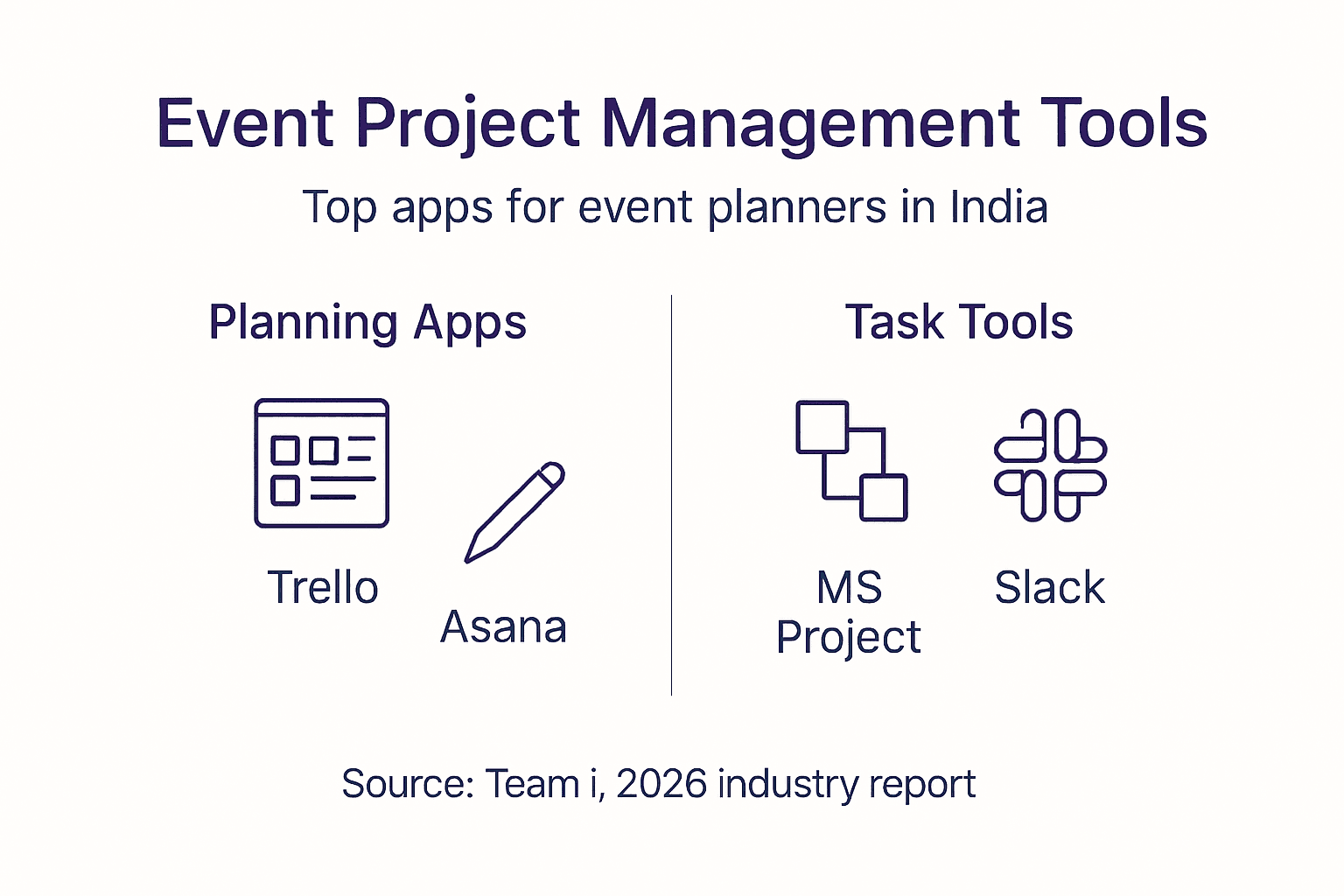
Trello offers simplicity and visual appeal through card-based boards. You create lists for each event phase, then add cards for individual tasks, assigning team members and due dates. This kanban-style interface works well for small to mid-sized events where teams need transparency without steep learning curves.
Asana balances power and usability. You can organize work by project, track progress through dashboards, and integrate with communication tools like Slack. Its timeline view helps identify scheduling conflicts, while custom fields allow tracking of budget, vendor status, or approval stages.
These tools help in several ways:
- Scheduling: Visualize task sequences, identify critical paths, and prevent bottlenecks
- Resource allocation: Assign team members based on availability and workload balance
- Communication: Centralize updates, reducing email clutter and missed messages
- Document management: Store contracts, floor plans, and runsheets in one accessible location
- Budget tracking: Monitor expenses against baselines and forecast final costs
Frameworks that integrate phase management and stakeholder coordination:
- Work Breakdown Structure (WBS): Decompose events into manageable work packages
- RACI Matrix: Define who is Responsible, Accountable, Consulted, and Informed for each task
- Risk Register: Document potential issues, likelihood, impact, and mitigation strategies
- Communication Plan: Specify what information goes to which stakeholders and when
- Lessons Learned Log: Capture insights post-event to improve future performance
Consider a regional trade show managed through Asana. The planning team created projects for exhibitor management, marketing, logistics, and operations. Each project contained tasks with assigned owners, dependencies, and milestones. Daily stand-up meetings referenced Asana boards, ensuring everyone knew priorities and blockers. Post-event, the team exported data to analyze task completion rates and identify process improvements.
Pro Tip: Choose tools that match team size, event complexity, and ease of use. A five-person team planning a 100-guest workshop doesn’t need Microsoft Project’s complexity. Start with Trello or Asana, then graduate to more robust platforms as events scale. Maximize adoption by training your team properly and making the tool the single source of truth.
Advance Your Event Management Career with Team i
Ready to transform theoretical knowledge into market-ready competence? Team i brings 23 years of industry experience to event management education in India. Our programs combine structured curricula covering project management integration with hands-on internships through DNA Entertainment Networks.
You’ll gain exposure to live corporate events, weddings, sports tournaments, and festivals while learning budgeting, vendor negotiation, risk management, and stakeholder communication. Our comprehensive event management course covers everything from foundational concepts to specialized tracks in social, corporate, and sports events. Explore top certification courses recognized by Indian employers and gain hands-on event management work experience that distinguishes you from purely academic graduates. Strong industry partnerships translate to placement support, helping you launch or advance your event management career with confidence. Start building expertise that employers value today.
FAQ
What is the key difference between event management and project management?
Event management is a specialized form of project management focused specifically on planning and executing temporary events within constraints like time, budget, and stakeholder expectations. While project management principles apply broadly across industries, event management tailors these frameworks to the unique challenges of coordinating vendors, managing live experiences, and delivering time-sensitive outcomes.
Which certification is most recognized for event management careers in India?
Certified Meeting Professional (CMP) and Certified Special Events Professional (CSEP) enjoy strong international recognition and demonstrate comprehensive event planning competencies. For India-specific opportunities, recognized certifications from Team i combine global standards with local market relevance, offering practical training and industry placement support tailored to Indian event sectors.
How can I gain practical event management experience while studying?
Pursue internships during event management courses that offer real project responsibilities rather than just observation roles. Volunteer at live events to build your portfolio, seek programs with mandatory hands-on components, and network actively with professionals during industry gatherings. The event management internships guide for 2026 provides detailed strategies for securing and maximizing these opportunities.
Which project management methodology suits music festivals best?
Agile methodology fits music festivals exceptionally well due to its flexibility in handling evolving schedules, multiple stakeholder inputs, and last-minute changes. Festivals involve numerous moving parts like artist lineups, sponsorship activations, and vendor coordination that often shift right up to event day. Agile’s iterative approach and sprint-based planning accommodate these dynamics better than rigid Waterfall structures.